Category Archives: News

Schedule for the first half of the season posted!

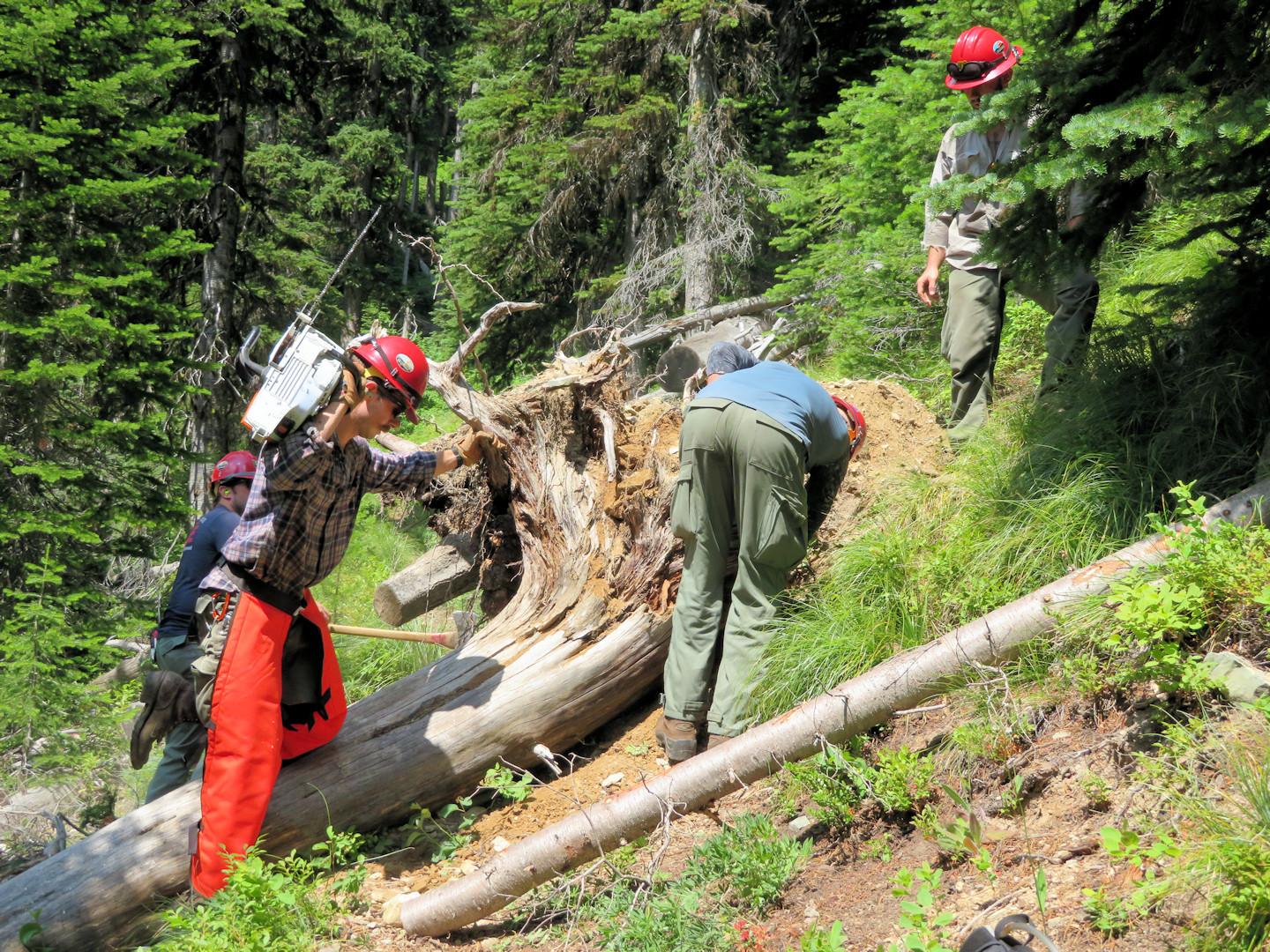
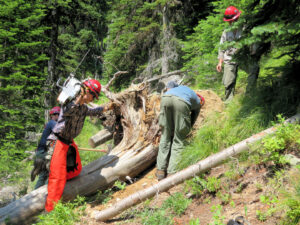
Clearing Glacier View Mtn Trail, April 26, 2025 - W. K. Walker

Clearing Glacier View Mtn Trail, April 26, 2025 – W. K. Walker

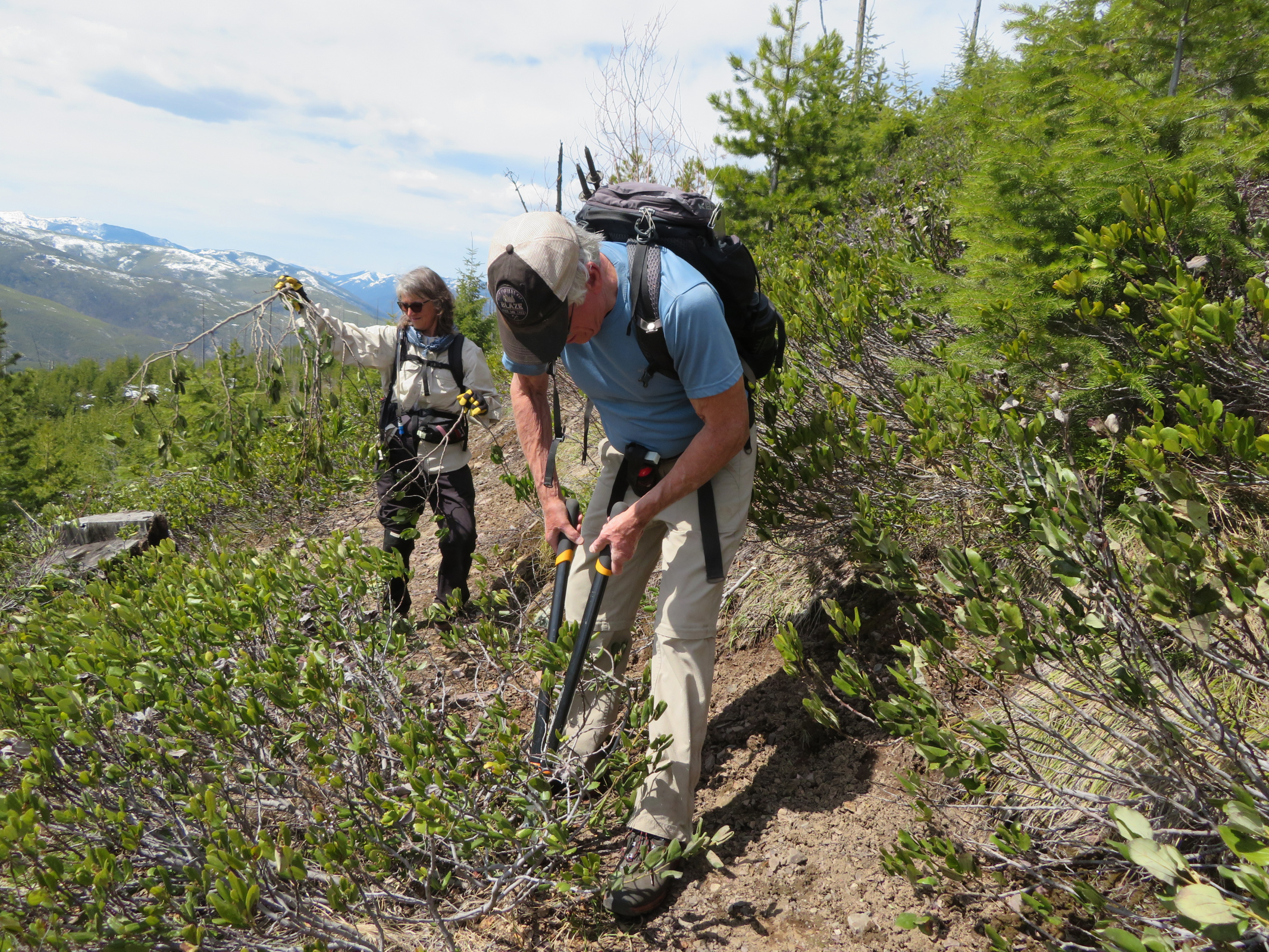
We’ve published our initial schedule of activities, running from now until mid-July. As always this time of year, the schedule is kind of fluid, depending on weather conditions and how rapidly the snow melts off in the back-country. Given the current Forest Service staffing difficulties, our schedule is also more ambitious than usual as we attempt to ensure the most significant early season trails get adequate attention.

Please see our Calendar Page for details.

Want to be notified/reminded of events? Send us a note through the Contact Us Page and we’ll add you to the email list.

The Forest Service is cutting its seasonal workforce to the bone

Forest Service crew clearing obstruction from Moran Creek Tr No. 2, July 15, 2023 - W. K. Walker

Forest Service crew clearing obstruction from Moran Creek Tr No. 2, July 15, 2023 – W. K. Walker

Here is a very concerning discussion of next year’s Forest Service seasonal worker hiring freeze. Note that this affects the regular seasonal employees. The recently established “permanent seasonal” employees will still have work, although there will be no money for additional duties. And there is still money to staff the fire crews. Still, this portends a difficult trail maintenance season next year.

…The agency relies on a large, often underappreciated army of seasonal or temporary workers who clean bathrooms and campgrounds, empty trash cans, maintain trails, welcome people at visitor centers and do critical research work on the environment.

These employees help monitor the health of the public waters and forests that the agency oversees, clearing brush and trees that pose wildfire danger and monitoring the health of Alaska’s sockeye salmon. The Forest Service-managed portions of the Appalachian Trail that were damaged by Hurricane Helene will likely be repaired by temporary workers. (Hikers are currently advised to stay off over 800 miles of the Appalachian Trail.)

Next summer, however, most of these tasks will be performed by other staff — or else not done at all…

Continue reading . . .
Chain Lakes Trail is open

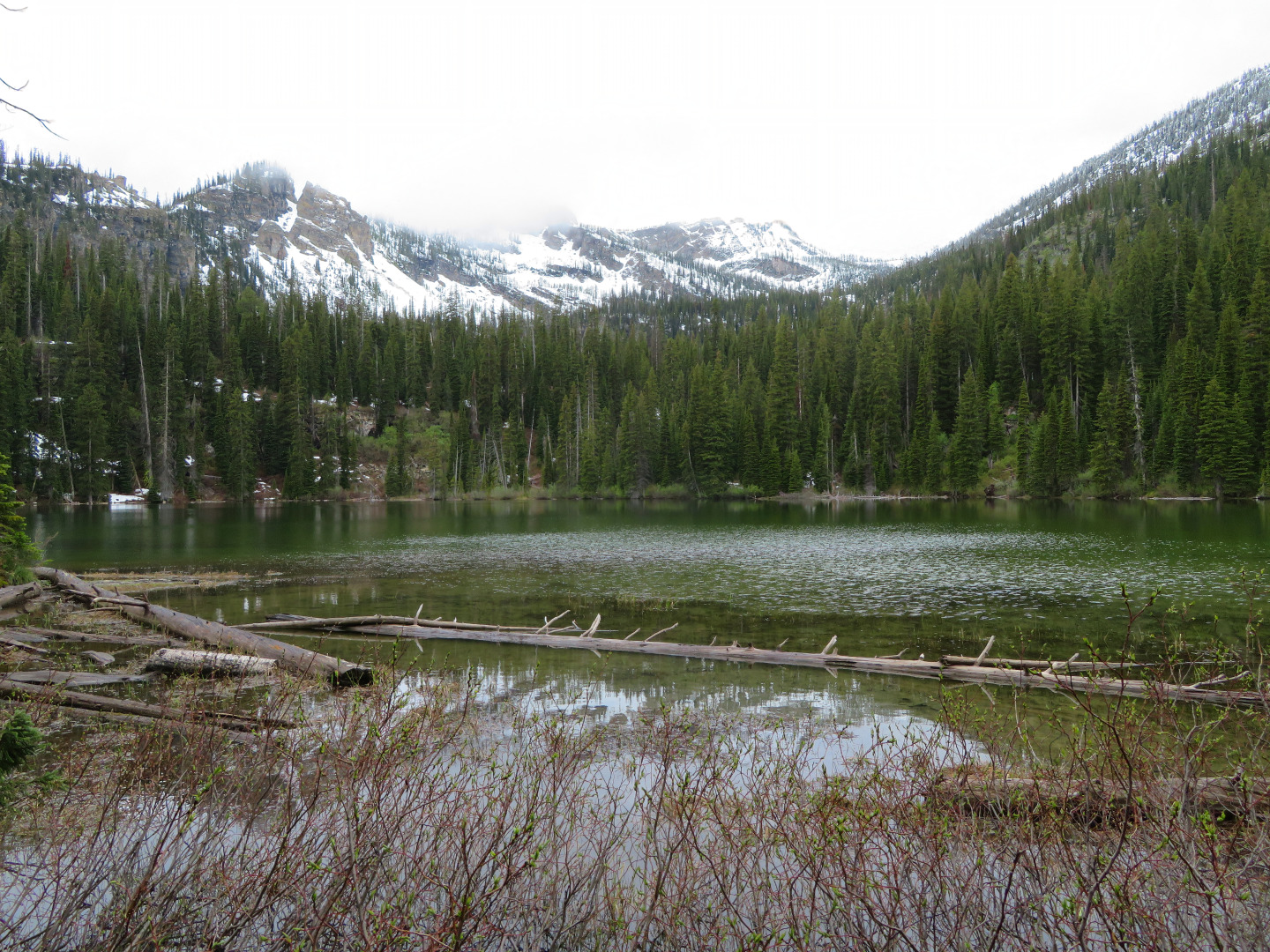
Lower Chain Lake, June 19, 2024 - W. K. Walker

Lower Chain Lake, June 19, 2024 – W. K. Walker

The Chain Lakes Trail is open. The snow is gone, except for is few patches here and there, and the lake has melted out. Most of the trail clearing consisted of brushing out overgrowth, especially at the trailhead.

Note: Some souvenir hunter swiped all the trailhead signage. We’ll have it replaced shortly.

Enjoy!

Cyclone Lookout Trail is open

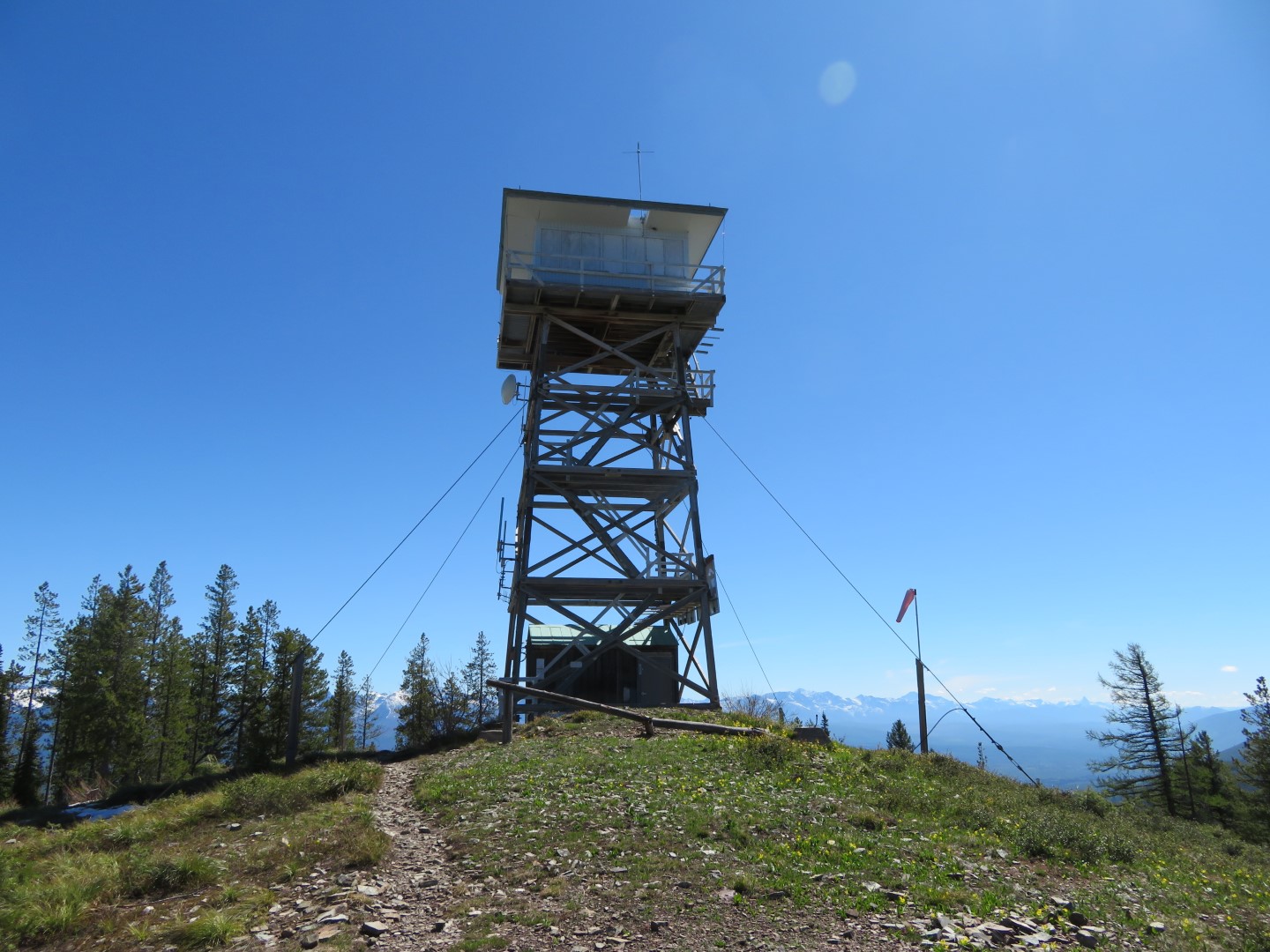
Cyclone Lookout, Flathead National Forest, May 15, 2023 - W. K. Walker

Cyclone Lookout, Flathead National Forest, May 15, 2023 – W. K. Walker

Cyclone Lookout Trail No. 40 is open. The trail needed very little work — a couple of small trees in the way and some minor brushing out. The golden-mantled ground squirrels (aka “giant chipmunks”) that live around the base of the tower are already up and active.

The trail is a moderate 2.77 mile (4.5 km) hike to the top of Cyclone Peak at 6000 feet (1830 m).


USFS releases Pacific Northwest Trail management plan

Good article . . .

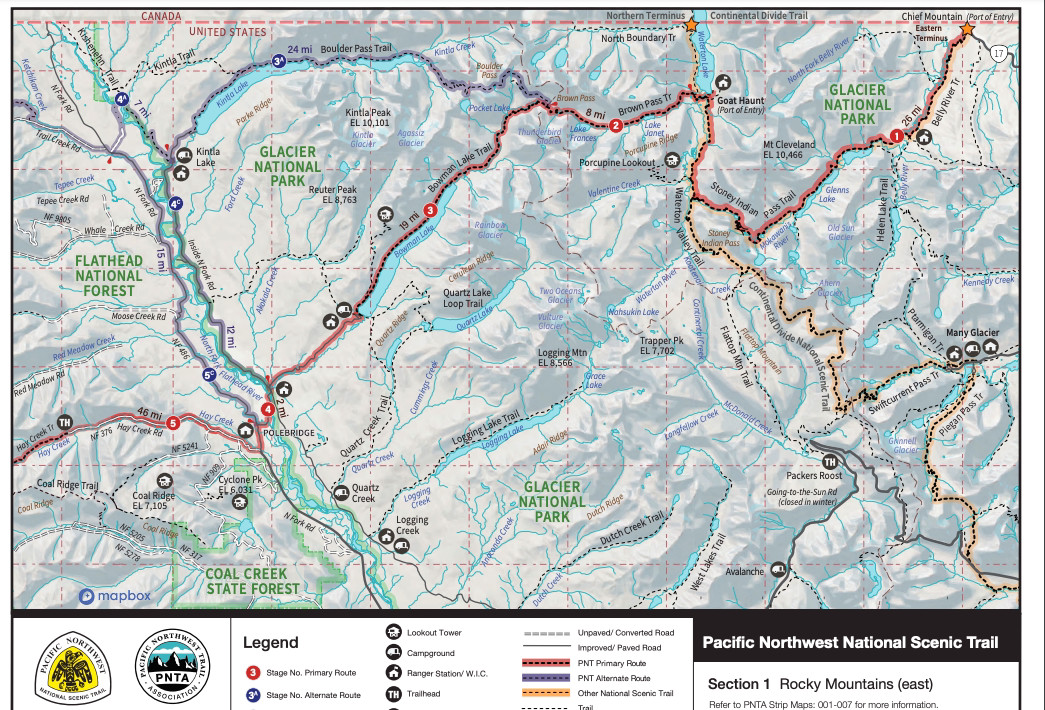
From the Chief Mountain port of entry on the Montana-Canada border, a dedicated hiker can follow a series of backcountry trails, bike paths, old rail beds, paved roads, bushwhacks, and cow paths, all the way to the beach of Cape Alava, Wash., the westernmost point in the continental United States.

This stitched-together route connecting Glacier National Park and Olympic National Park, known as the Pacific Northwest Trail (PNT), stretches 1,200 miles, “from the Rockies to the sea,” crossing seven National Forests, six wilderness areas, and three national parks, as well as tribal, municipal, and private lands in Montana, Idaho and Washington.

In December, the U.S. Forest Service released the final version of the PNT comprehensive plan, a document which outlines a vision for the non-motorized trail and provides guideposts for management, conservation and use into the future. The trail has only existed in its official capacity for 15 years, and like other early national scenic trails “much more work is needed to complete the optimal route from end to end,” the plan states.

Continue reading . . .